WHAT IT IS
A plastic sandwich
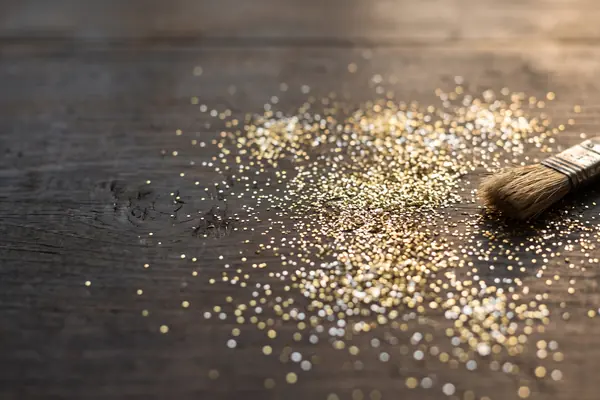
ARU researchers describe traditional glitter as a PET plastic core coated with aluminium and covered with another thin plastic layer.
How it is made doodleglamor
THE SPARKLE, EXPLAINED
Glamour's favourite sparkle is a tiny engineered sandwich.
SPARKLE with a footprint
≈ 500,000 tonnes Microplastic release the rules aim to prevent
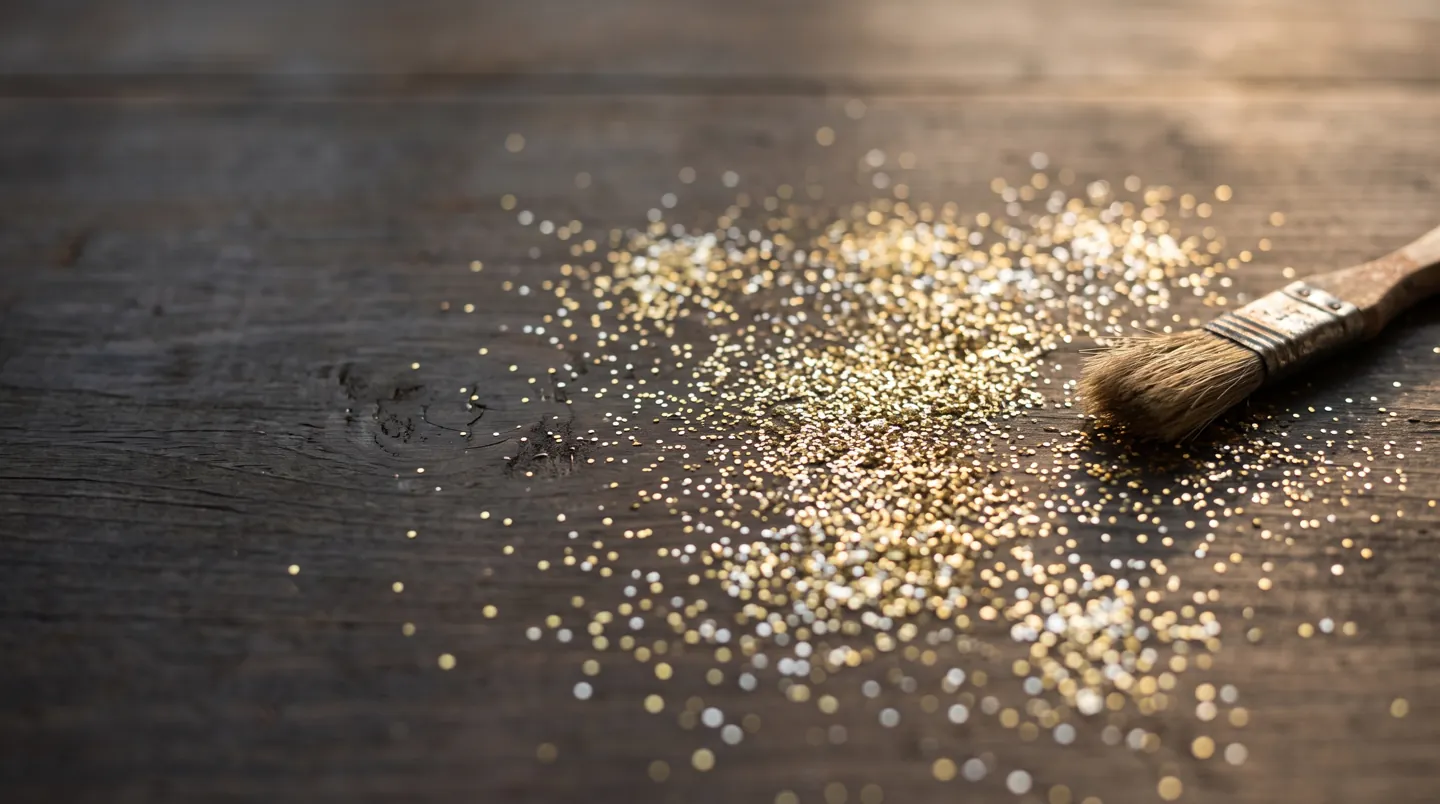
Most modern glitter is a thin layer of PET plastic film, coated with aluminium and sealed with more plastic, cut into tiny flakes. That makes it a ready-made microplastic, which is why the EU began restricting it in 2023.
THE SHORT ANSWER
Glitter is made to be loose and light.
That is what lets it escape into water.
WHAT IT IS
ARU researchers describe traditional glitter as a PET plastic core coated with aluminium and covered with another thin plastic layer.
How it is madeTHE RULES
Under the EU microplastics restriction, loose plastic glitter for uses such as arts, crafts and toys could no longer be newly placed on the market from 17 October 2023.
Check a glitterTHE RESEARCH
A 2020 study found glitters with a cellulose core or mica affected duckweed and microalgae almost exactly as plastic glitter did.
See the numbersA QUICK GLITTER CHECK
Pick a kind of glitter to see how the EU microplastics restriction treats it. The bar shows how directly the restriction applies.
Based on the European Commission's page on Regulation (EU) 2023/2055 and its glitter Q&A. EU rules only; this is general information, not legal advice.
FOUR WAYS TO SPARKLE WITH LESS SPILL
These are practical habits drawn from what the rules and research say about how glitter escapes. None of them needs you to give up a bit of sparkle.

Glass, metal, mica and soluble glitters are outside the EU definition of microplastics. Plastic PET glitter is not.
Glitter locked into dried paint, glue or ink, or sewn sequins, is not loose and is exempt from the EU rule.
The ARU study found a cellulose-core glitter still harmed duckweed and microalgae, because it was coated in aluminium and plastic.
Researchers note glitter, especially from cosmetics, is washed off into sinks and the water system. Wipe and bin what you can.
TWO NUMBERS WORTH KNOWING
One figure on the scale of the EU restriction,
one on what glitter did in a river experiment.
≈ 500,000 tonnes
Microplastic release the rules aim to prevent
The Commission says its restriction on intentionally added microplastics, which covers glitter, will prevent the release of about half a million tonnes of microplastics.
EU RESTRICTION · EUROPEAN COMMISSION
½ the length
Duckweed root length after 36 days with glitter
Glitter halved the root length of common duckweed, and chlorophyll in the water was three times lower than in control conditions, pointing to fewer microalgae.
RIVER STUDY · ANGLIA RUSKIN UNIVERSITY
The ARU team found the effects of cellulose-core and mica glitters on roots and chlorophyll were almost identical to those of plastic glitter, and suggest leachate from coatings may be the cause.
HOW GLITTER IS MADE
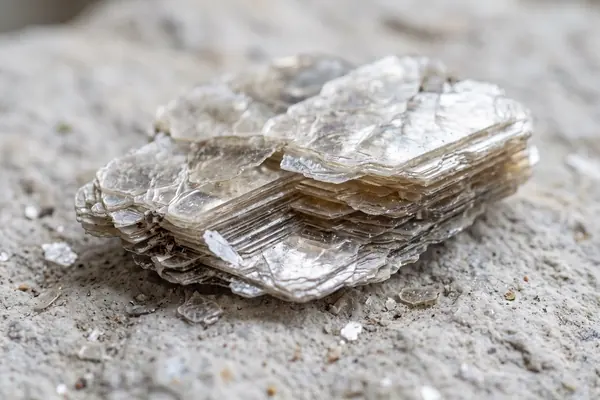
Sparkle is ancient: mica flakes were used to make cave paintings glitter as early as 30,000 years ago. Modern plastic glitter dates from the 1930s, when a machine for cutting photo film and paper began producing glossy flakes.
Today flat multi-layer sheets of plastic, colour and a reflective layer such as aluminium are cut into tiny squares, triangles and hexagons, from about 0.05 to 6.35 mm a side.
Questions
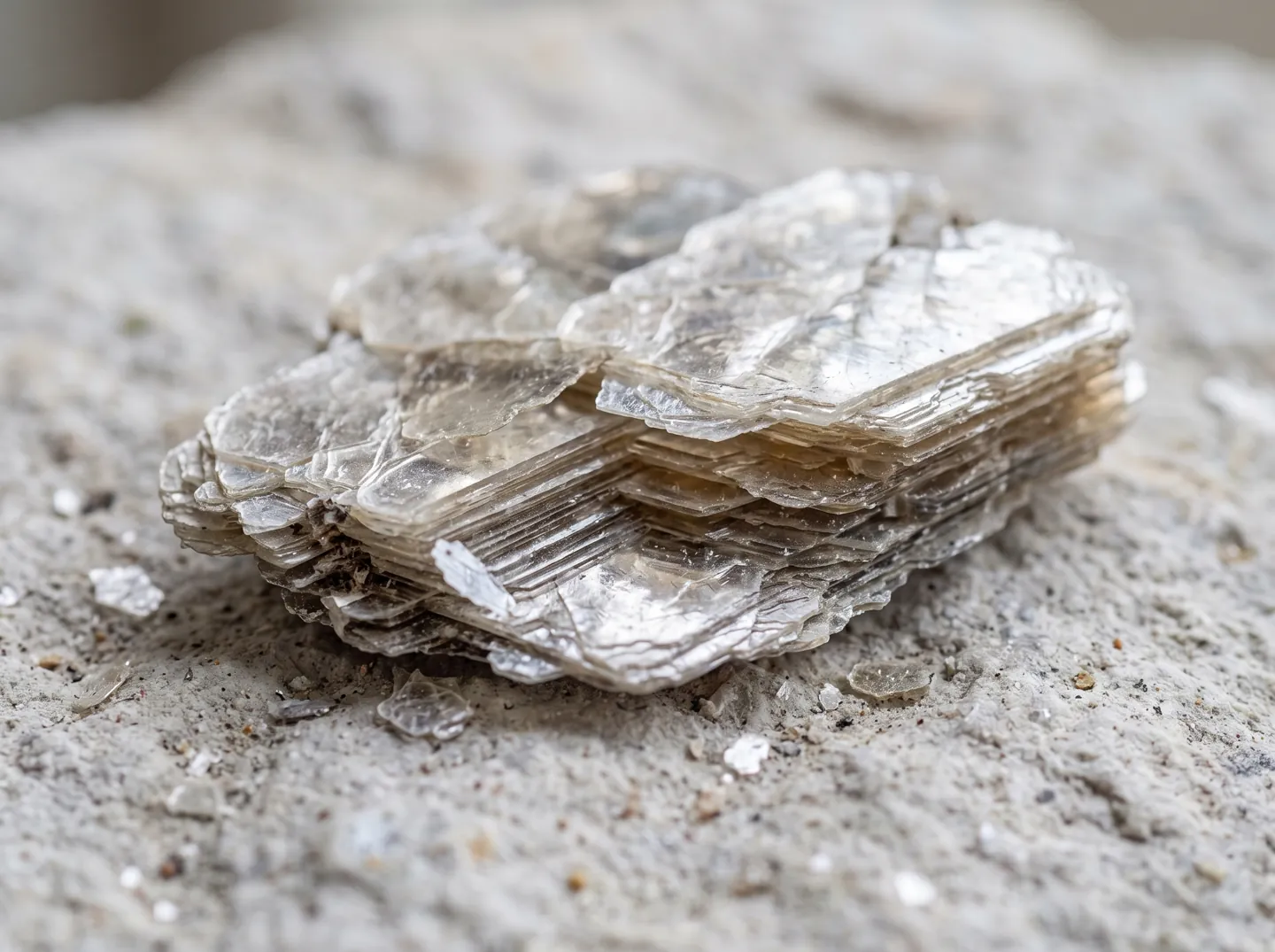
Traditional glitter has a plastic core of PET film coated with aluminium and sealed with another thin plastic layer. Other glitters use mica, glass, metal or a cellulose core.
Not all of it. Since 17 October 2023 loose, non-biodegradable plastic glitter for uses such as arts, crafts and toys cannot be newly sold. Cosmetic glitter has transition periods, and natural, inorganic, soluble or fixed glitter is not covered.
The Commission says make-up, lip and nail products containing plastic glitter can be sold until 16 October 2035, with a microplastics label required from 17 October 2031.
Not necessarily. A 2020 ARU study found glitter with a cellulose core, and mica glitter, affected duckweed roots and microalgae almost exactly as plastic glitter did.
No. The Commission says beads and sequins meant to be threaded or sewn are articles and are not in the scope of the restriction.
Updated
ABOUT THIS NAME
doodleglamor.com is part of the DoodleSale portfolio. It isn't in an auction right now, but you can ask about leasing it.